



Harry Potter’s Hogwarts talking portraits can become reality with help of AI


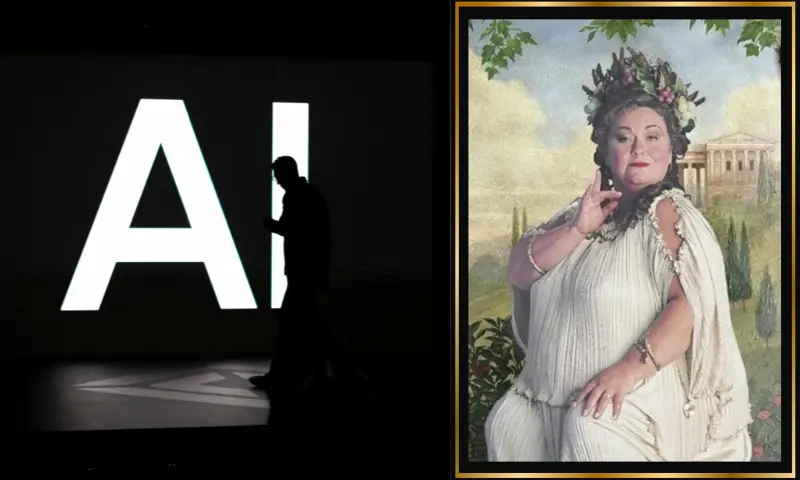
What once seemed like magic in the Harry Potter films may soon become reality, as AI talking pictures become closer to reality by Vinabot’s AI talking frame technology, showcased in the recent CES event, which is yet to launch.
In the wizarding world of Hogwarts, portraits don’t just hang on walls; they speak and interact. Technology companies are developing AI-powered photo frames that aim to do something similar, animating still images so they can talk, react, and respond using AI.
AI talking frames combine facial-recognition software, image animation, and speech-generation technology to transform ordinary photographs into lifelike digital portraits.
Vinabot, whose mobile app allows users to create AI-generated avatars from photos, plans to support a physical AI talking frame device in the near future.
Launch date has not yet been announced, but the company says the frame is designed to display animated, talking portraits rather than static images.
An AI talking frame could deliver recorded messages, greet visitors, tell stories, or act as a personalized virtual companion, very similarly to how in Harry Potter movies, every house student told the password to the talking photo to unlock their dorm door.
The technology could also be used for family communication, education, customer service, or even digital memorials.
AI-powered talking photos already exist online in video form, often used for social media content or marketing, but the new thing is the effort to package the experience into a dedicated household device, much like the enchanted frames seen lining the halls of Hogwarts.
As AI becomes more advanced, the line between fantasy and technology continues to blur. What was once perceived to be magic is being conquered by science.
For fans of Harry Potter, the idea of talking pictures may no longer belong to the fictional castle of Hogwarts, but to the living room wall.
The ability to bring photos to life raises significant ethical and safety concerns.
According to Vinabot’s developers, Vinabot requires user consent to create a voice clone, which means you should only use a voice belonging to someone who agreed to be part of the AI experience.
This is intended to reduce the misuse of cloning someone’s voice without permission.
The AI talking frame makes it possible to interact with AI versions of loved ones that passed away, fictional characters, and public figures, which could blur the line between memory and virtual double, leading to emotional dependency, confusion, or losing touch to reality.
For the latest news, follow us on Twitter @Aaj_Urdu. We are also on Facebook, Instagram and YouTube.













Comments are closed on this story.