


US to allow resale of Venezuelan oil to Cuba’s private sector




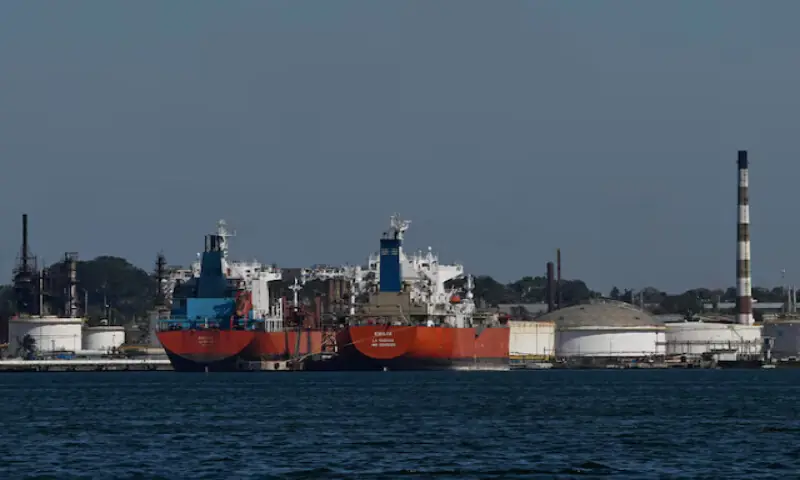
The US Treasury Department said on Wednesday it would authorise companies seeking licences to resell Venezuelan oil to Cuba’s private sector, according to guidance posted on the department’s website, a move that could help ease the island’s acute fuel scarcity.
Since Washington took control of Venezuela’s oil exports in January in the aftermath of the capture of Venezuelan leader Nicolas Maduro and his wife, the South American country’s supply to Cuba has ceased, worsening an energy crisis in the country that is hitting power generation and fuel for vehicles, houses and aviation.
Venezuela had been, for more than 25 years, the main supplier of crude and fuel to its political ally Cuba through a bilateral pact mostly based on the barter of products and services.
Mexico, which had emerged as an alternate supplier, also has halted shipments to the Caribbean island since a fuel cargo arrived in Havana in January, according to shipping data.
The US Treasury’s guidance makes clear that potential transactions must “support the Cuban people, including the private sector,” while transactions involving or benefiting the Cuban military or other government institutions would not be covered.
Trading houses Vitol and Trafigura are now handling the lion’s share of Venezuela’s oil exports, with millions of barrels exported to the US, Europe and India, and millions of additional barrels stored at Caribbean terminals for resale.
US President Donald Trump has said Venezuela’s allies that were taking its oil as part of swaps, debt repayments and other agreements must now pay fair market prices for cargoes. These allies include China and Cuba.
On Wednesday, US Secretary of State Marco Rubio said from Basseterre in St. Kitts and Nevis that Cuba’s humanitarian crisis has been triggered by government policies, not by a US oil blockade on Venezuela before Maduro’s capture.
“What the Cuban people should know is this: that if they are hungry and they are suffering, it’s not because we’re not prepared to help them. We are. It’s that the people standing in the way of us helping them is the regime, the Communist Party,” Rubio said.
Even with the new policy, it is not clear whether Cuban companies can afford oil purchases, as Cuba has struggled in recent years to pay for fuel imports on the spot market.
The US Bureau of Industry and Security had previously released guidance saying that exports and re-exports of US gas and petroleum products to eligible Cuban private sector entities would be authorised.
On its side, Cuba’s government this month said it would allow micro, small, and medium-sized companies to import fuel to ease the energy crisis.
A Trump administration official who requested anonymity said the Treasury’s move would help show private importers can get fuel in a way the government cannot.
Cuba’s government controls motor fuel distribution and power supply through state companies, but fuel consumers also include private airlines and other companies.
The Treasury said applicants do not necessarily need an established US entity, and limitations in a licence granted in January to broadly export Venezuelan oil would not apply to Cuba.
Undelivered fuel cargoes
The US pressure on Venezuela and Cuba has left several fuel cargoes undelivered since December, contributing to the island’s inability to keep the lights on and cars circulating.
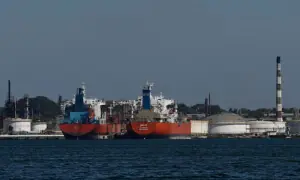
A Cuba-related vessel that loaded Venezuelan gasoline in early February at a port operated by state-run company PDVSA remained this week anchored in Venezuelan waters waiting for authorisation to set sail.
No oil cargoes have departed from Venezuela since January without authorisation from Washington, which now controls the country’s exports and sale proceeds.
On Wednesday, the Hong Kong-flagged tanker Sea Horse, carrying fuel likely bound for Cuba, halted navigation in the Atlantic Ocean, ship tracking data showed.
It could have arrived in Cuba as early as this week.
Hongkong Hangda Shipping LTD, the firm listed at maritime databases as the Sea Horse’s owner and manager, and PDVSA did not immediately reply to requests for comment.
Cuban forces killed four people and wounded six others aboard a Florida-registered speedboat that entered Cuban waters on Wednesday.
Rubio told reporters it was not a US operation and that no US government personnel were involved.