


SBP Governor expects broader recovery than IMF forecast




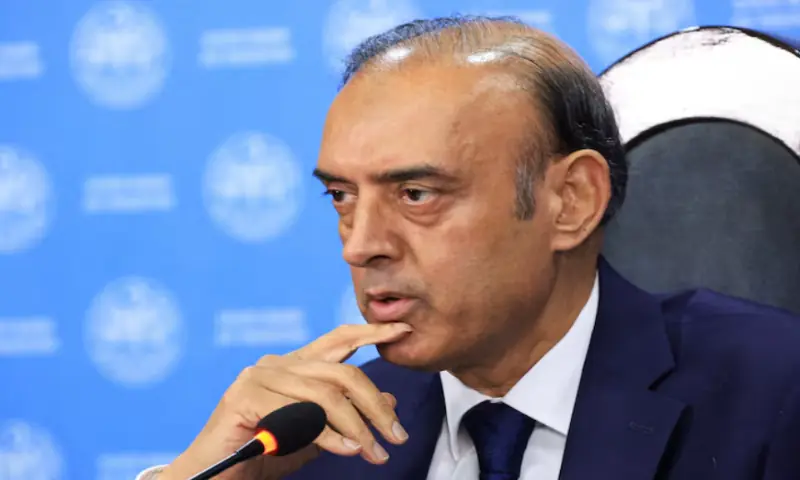
Pakistan’s central bank chief expects the economy to grow as much as 4.75% this fiscal year, pushing back against a recent downgrade by the International Monetary Fund.
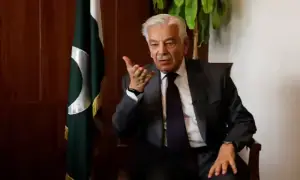
Governor Jameel Ahmad, in written responses to Reuters, argued the recovery is broader and more durable than headline export data suggest.
The State Bank of Pakistan (SBP) raised its FY26 growth forecast to 3.75-4.75% at its January meeting, 0.5 percentage points higher than its previous range, despite a contraction in exports in the first half of the year and a widening trade deficit.
The governor said differences in projections were not unusual and reflected timing issues, including the IMF’s incorporation of flood-related assessments in its latest outlook.
“All these sources and indicators, along with FY26-Q1 data, point to a broad-based recovery in all three sectors of the economy,” he said.
He added that the central bank believed that agricultural activity had remained resilient despite floods, and “it is even performing better than its targets.”
He added that financial conditions had eased significantly following a cumulative 1,150‑basis‑point cut in the policy rate since June 2024, and that the full impact was still feeding through. This, he said, was supporting growth while preserving price and economic stability.
The central bank last month held its benchmark rate at 10.5%, defying expectations for a cut.
The divergence with the IMF comes at a delicate moment for Pakistan, which is emerging from a balance-of-payments crisis under a $7 billion IMF programme.
EXPORT DRAG, REMITTANCE CUSHION
Pakistan’s previous growth spurts have often led to currency pressure and a decline in foreign exchange reserves, making the sustainability of the current rebound a key question for investors.
Ahmad said high-frequency indicators and 6% growth in large-scale manufacturing in July-November point to strengthening demand, while agriculture has remained resilient despite last year’s floods, he said.
While exports declined in the first half of the fiscal year, Ahmad said the fall reflected low global prices and border disruptions rather than softer activity.
He said the current account deficit should stay within 0-1% of GDP, as strong remittances offset the wider trade gap and lift reserves above programme targets, with further gains expected due to Eid festival-related inflows.
“Additionally, if the government decided to tap global capital markets for any debt issuance, then that would be on the upside of our current assessment,” he said.
Pakistan plans to issue panda bonds, a yuan-denominated debt sold in China’s domestic market around the upcoming Lunar New Year, as part of efforts to diversify external financing and broaden its investor base.
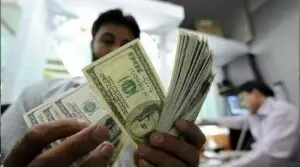
He said the central bank has been consistently purchasing dollars in the interbank market to strengthen foreign exchange buffers, with data published regularly.
He said that while economic stability has improved, structural reforms remain key to sustaining stronger growth and improving productivity.
For the latest news, follow us on Twitter @Aaj_Urdu. We are also on Facebook, Instagram and YouTube.