
Oil steadies after biggest annual loss since 2020

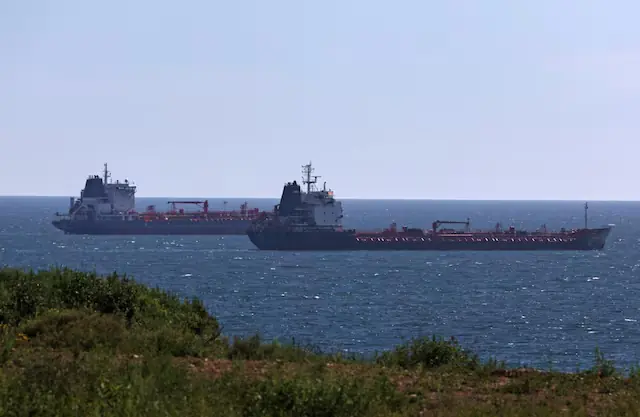
Oil prices steadied on the first day of trade in 2026 after registering their biggest annual loss since 2020 as investors weighed oversupply concerns against geopolitical risks including the war in Ukraine and Venezuela exports.
Brent crude futures dropped 4 cents on Friday to $60.81 a barrel by 1029 GMT while US West Texas Intermediate crude was down 3 cents at $57.39.
Russia and Ukraine traded allegations of attacks on civilians on New Year’s Day despite talks overseen by US President Donald Trump that are aimed at bringing an end to the nearly four-year-old war.
Kyiv has been intensifying strikes against Russian energy infrastructure in recent months, aiming to cut off Moscow’s sources of financing for its military campaign in Ukraine.
Elsewhere, the Trump administration’s efforts to increase pressure on Venezuelan President Nicolas Maduro continued with Wednesday’s imposition of sanctions on four companies and associated oil tankers that it said were operating in Venezuela’s oil sector.
In the Middle East, a crisis between OPEC producers Saudi Arabia and the United Arab Emirates over Yemen has deepened after flights were halted at Aden’s airport on Thursday. This came before a virtual meeting between the OPEC+ group comprising the Organization of the Petroleum Exporting Countries and its allies on January 4.
Traders widely expect OPEC+ to continue its pause on output increases in the first quarter, said Sparta Commodities analyst June Goh.
“2026 will be an important year on assessing OPEC+ decisions for balancing supply,” she said, adding that China would continue to build crude stockpiles in the first half, providing a floor for oil prices.
The Brent and WTI benchmarks recorded annual losses of nearly 20% in 2025, the steepest since 2020, as concerns about oversupply and tariffs outweighed geopolitical risks. It was the third straight year of losses for Brent, the longest such streak on record.
“As of now, we are expecting a fairly boring year for (Brent) oil prices, range-bound around $60-65 a barrel,” said DBS energy analyst Suvro Sarkar.
Phillip Nova analyst Priyanka Sachdeva said the muted price movement reflected a struggle between short-term geopolitical risks and longer-term market fundamentals that point towards oversupply.
For the latest news, follow us on Twitter @Aaj_Urdu. We are also on Facebook, Instagram and YouTube.
Oil prices
Oil
Oil Market
oil sector
oil loss
oil steadies

Pakistan’s trade deficit widens 24% to $3.7bn in December on export slump

Historic run continues: KSE-100 settles above 179,000

Gold per tola gains in Pakistan

Islamic finance assets set to hit $6 trillion in 2026

Dollar makes a soft start to 2026 after sharpest drop in 8 years